
Understanding Eye Care Services Offered by SNU Eye Clinic
At SNU Eye Clinic, we understand that your eyesight is one of your most valuable assets. Our comprehensive eye care services are designed to cater to diverse needs, ensuring each patient receives tailored solutions for optimal visual health. With a commitment to advanced treatment options and cutting-edge technology, we pride ourselves on being a leading eye care facility in Korea. When exploring options, snuseoul provides comprehensive insights into modern eye care and the procedures we offer.
Comprehensive Eye Exams: What to Expect
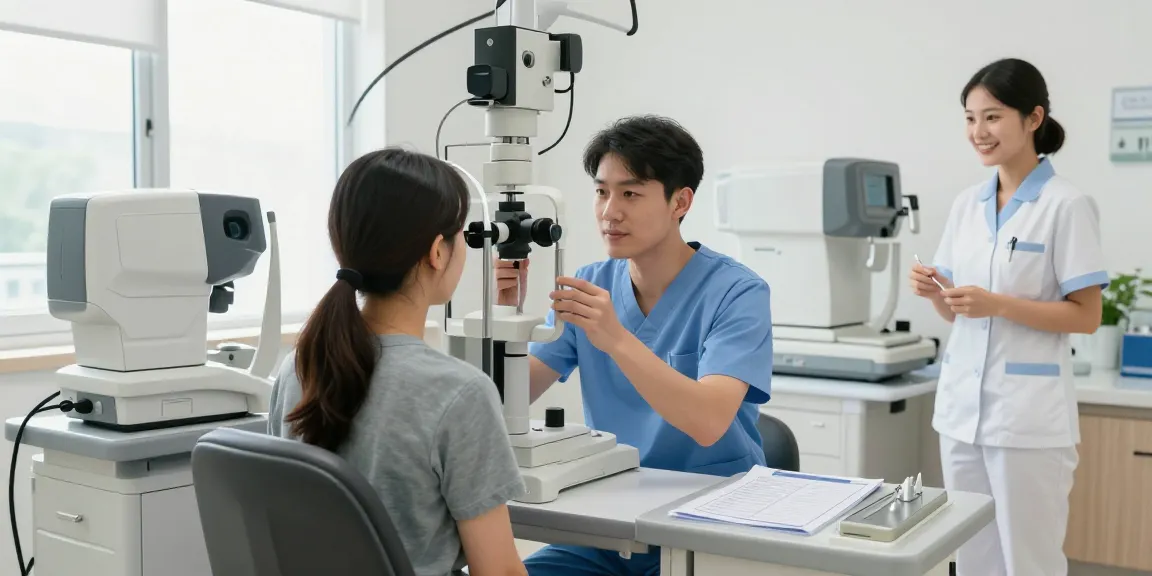
A comprehensive eye exam is crucial for assessing your overall eye health and identifying potential issues before they escalate. At SNU Eye Clinic, our eye exams encompass a series of detailed tests conducted by experienced ophthalmologists. Expect to undergo several evaluations, including visual acuity tests, ocular health assessments, and tests for specific conditions such as glaucoma or cataracts. Our specialists utilize advanced diagnostic tools to ensure thorough results and recommendations tailored to each individual’s needs.
Key Eye Treatments Available
We offer a range of key treatments to address various eye conditions and enhance vision. Our services include:
- LASIK Surgery: This popular refractive surgery corrects nearsightedness, farsightedness, and astigmatism.
- ICL (Implantable Contact Lens): A great option for those who are not suitable candidates for LASIK, it offers a permanent solution to vision correction.
- Glaucoma Treatment: Various medical and surgical options are available to manage this condition effectively.
- Cataract Surgery: We utilize the latest techniques and technology to ensure optimal outcomes.
Importance of Early Detection in Eye Health
Early detection plays a vital role in maintaining eye health. Many serious eye conditions develop gradually, often without noticeable symptoms until significant damage has occurred. Regular eye exams can help identify concerns such as diabetic retinopathy, glaucoma, and macular degeneration in their early stages, allowing for timely intervention. By prioritizing routine consultations, patients can protect their vision and overall eye health long-term.
Why Choose SNU Eye Clinic: Our Unique Qualities
Choosing SNU Eye Clinic means choosing exceptional care backed by expertise and technology. We stand out in the competitive landscape of eye care due to our commitment to quality and patient satisfaction. Our dedicated team of professionals navigates complex eye care situations, ensuring that each patient receives personalized attention and a tailored approach to treatment.
Advanced Equipment and Techniques
We leverage state-of-the-art technology to enhance diagnostic precision and treatment outcomes. Our clinic is equipped with the latest equipment for eye examinations, surgical procedures, and post-operative care. Techniques such as femtosecond laser technology in cataract surgery have revolutionized outcomes, allowing for less invasive procedures and quicker recovery times.
Personalized Patient Care and Consultations
Every patient at SNU Eye Clinic receives individualized care. Our approach involves comprehensive consultations where we assess each patient’s unique vision requirements and medical history. This personalized strategy ensures that we devise treatment plans that align with your lifestyle and expectations. Our staff is available to answer questions and provide ongoing support throughout your treatment journey.
Track Record: Over 50,000 Successful Surgeries
Our clinic’s outstanding reputation is reflected in our track record of over 50,000 successful surgeries. We have built a foundation of trust and excellence, making us a preferred choice for eye care in Korea. Each success story reaffirms our dedication to improving our patients’ quality of life through enhanced vision capabilities.
Exploring Vision Correction Options: ICL and Toric ICL
Vision correction has evolved tremendously, and SNU Eye Clinic is at the forefront of these advancements. Our offerings include the innovative ICL and Toric ICL, designed to cater to individuals with varying degrees of vision impairment.
What is ICL and Who is it For?
The Implantable Collamer Lens (ICL) is an advanced vision correction option suitable for patients with high myopia and thin corneas who may not be ideal candidates for LASIK. ICL is a biocompatible lens surgically placed within the eye to enhance vision without altering the cornea’s structure. Patients experience immediate improvement in visual acuity, with many returning to daily activities quickly post-surgery.
Benefits of Toric ICL for Astigmatism
For individuals with astigmatism, the Toric ICL provides an effective solution that corrects both nearsightedness and astigmatism simultaneously. This specialized lens offers several advantages, including:
- Reduced dependency on glasses: Many patients achieve excellent vision without corrective lenses post-procedure.
- Quick recovery time: The minimally invasive nature of the surgery allows for faster healing.
- Long-lasting results: The lenses are designed to remain in place without the need for replacement over time.
Success Stories: Patient Testimonials
Our patients often share their life-changing experiences following ICL and Toric ICL surgeries. Many report significant improvements in their quality of life, enabling them to engage in activities they previously avoided due to vision problems. Testimonials highlight not only the technical success of the surgeries but also the compassionate care they received at SNU Eye Clinic.
The Process of Eye Surgery: Step-by-Step
Understanding the eye surgery process can alleviate concerns and help patients prepare mentally and physically. Here, we outline the journey from consultation to recovery, ensuring you are well-informed every step of the way.
Pre-Operative Preparations
Prior to surgery, patients undergo a comprehensive assessment to confirm the suitability of the chosen procedure. This includes detailed eye exams, discussions about expectations, and an overview of the surgery process. Patients are advised on how to prepare, including instructions regarding medications and dietary restrictions leading up to the surgery day.
The Surgery Day Experience
On the day of surgery, patients can expect a streamlined and supportive experience. Our team prioritizes patient comfort and safety throughout the procedure. Typically, surgeries are performed using local anesthesia, ensuring minimal discomfort. The entire process is quick, often lasting less than an hour, with patients monitored closely before discharge.
Post-Operative Care and Recovery Timeline
Post-operative care is crucial for optimal recovery. Patients receive detailed instructions on how to care for their eyes, including tips on managing discomfort and signs to watch for that may indicate complications. Follow-up appointments are scheduled to monitor healing and ensure the best outcomes. Most patients return to normal activities within a few days, experiencing significantly improved vision.
Future Trends in Eye Care: What’s Next for 2026?
As we look toward the future, several trends are expected to shape the eye care landscape by 2026. Innovations in technology and patient-centric solutions will redefine how care is delivered and experienced.
Emerging Technologies in Eye Surgery
The landscape of eye surgery is continuously evolving, with emerging technologies poised to enhance precision and patient outcomes. Innovations such as robotic-assisted surgeries and advanced imaging techniques are expected to become mainstream, ensuring that procedures become even more efficient and effective.
The Rise of Telemedicine in Eye Care
Telemedicine has transformed healthcare access, and eye care is no exception. Virtual consultations and follow-ups provide patients with convenience and flexibility, allowing for timely assessments without the need for in-person visits. This trend is likely to expand, making eye health management more accessible to a broader demographic.
Predictions for Patient-Centric Eye Health Services
Future eye care services will likely focus on patient-centric models, emphasizing personalized treatment plans and integrated health services. As technology advances, healthcare providers will have greater access to real-time data, enabling them to tailor treatments based on individual needs and preferences. This shift promises to enhance patient satisfaction and overall outcomes.
What makes SNU Eye Clinic unique?
SNU Eye Clinic stands out due to our commitment to excellence, our extensive range of services, and our patient-first philosophy. Our highly trained staff and cutting-edge technology ensure that we provide the best possible care.
How does ICL differ from traditional methods?
The ICL procedure differs from traditional methods like LASIK in that it involves placing a lens inside the eye rather than reshaping the cornea. This can be particularly beneficial for individuals with high refractive errors or thin corneas, offering a reversible solution that doesn’t alter existing eye structures.
What can patients expect during recovery from eye surgery?
Recovery varies by individual and procedure, but most patients can expect a relatively quick return to normal activities. Follow-up care is essential, and patients should anticipate initial sensitivity and possible visual fluctuations as their eyes heal.
Why is early detection crucial for eye health?
Early detection of eye diseases is paramount for preserving vision and preventing irreversible damage. Regular eye exams can facilitate early intervention for conditions like glaucoma, cataracts, and macular degeneration, significantly improving long-term outcomes.
What advancements are expected in eye care technology by 2026?
By 2026, we can expect substantial advancements in eye care technology, including enhanced imaging systems, more effective treatments for complex eye conditions, and further integration of artificial intelligence in diagnostic processes, all aimed at improving patient outcomes and experiences.
